June 8, 2026 · SACRAHAUS
Types of Vegan Protein Supplements: 2026 Guide
Discover the best types of vegan protein supplements in 2026. Learn how to choose based on protein density and amino acid profiles for optimal results.
TL;DR:
- Vegan protein supplements include pea, soy, hemp, brown rice, and pea-rice blends, each with distinct amino acid profiles. Soy isolate provides the most complete plant-based protein, with high digestibility and proven efficacy for muscle growth. Choosing supplements based on amino acid content, ingredient quality, and third-party testing ensures effective and safe supplementation.
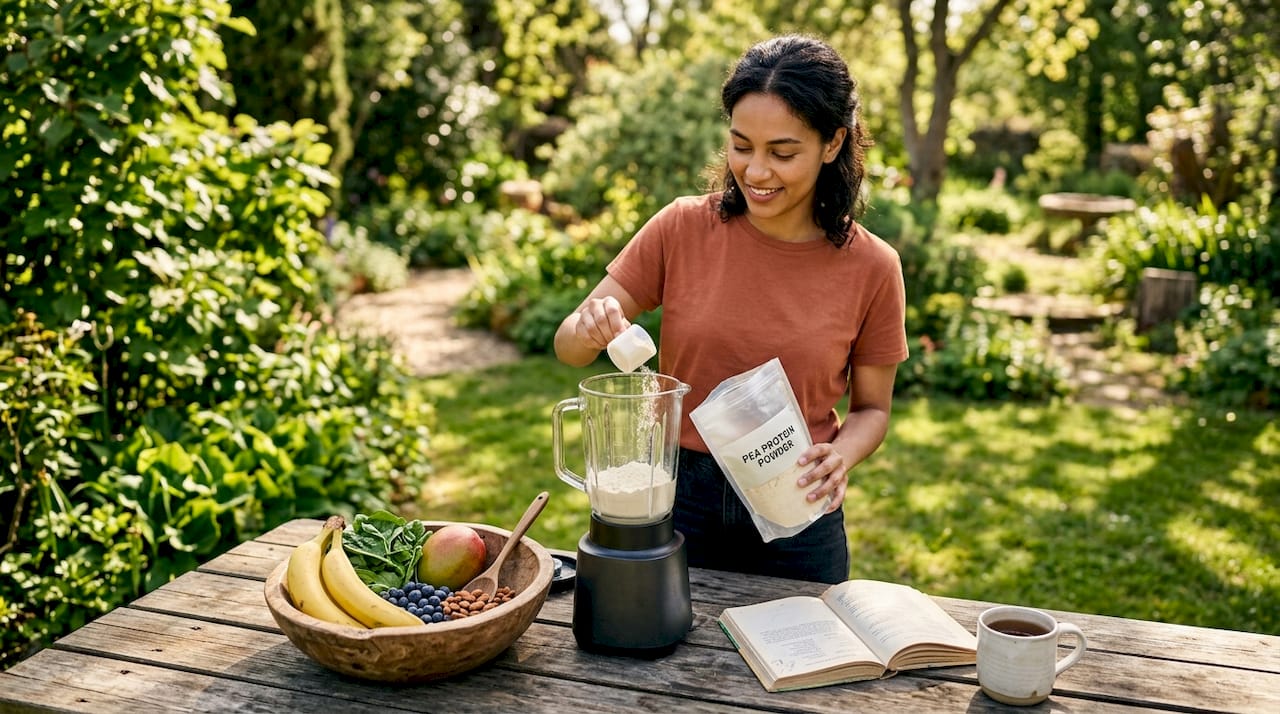
Vegan protein supplements are defined as plant-derived protein concentrates or isolates formulated to support muscle repair, recovery, and daily protein intake without animal products. The most effective types of vegan protein supplements are pea protein, soy protein isolate, hemp protein, brown rice protein, and pea-rice blends. Each delivers a distinct amino acid profile, protein density, and digestibility score. Understanding these differences, along with industry metrics like DIAAS (Digestible Indispensable Amino Acid Score), helps you choose a supplement that actually matches your fitness and dietary goals.
1. What are the key features of pea protein?
Pea protein is the most widely used plant-based protein source in vegan supplementation, and for good reason. It delivers 75–85g of protein per 100g, making it one of the densest options outside of soy. That density means you get a meaningful dose of protein per scoop without loading up on carbohydrates or fats.
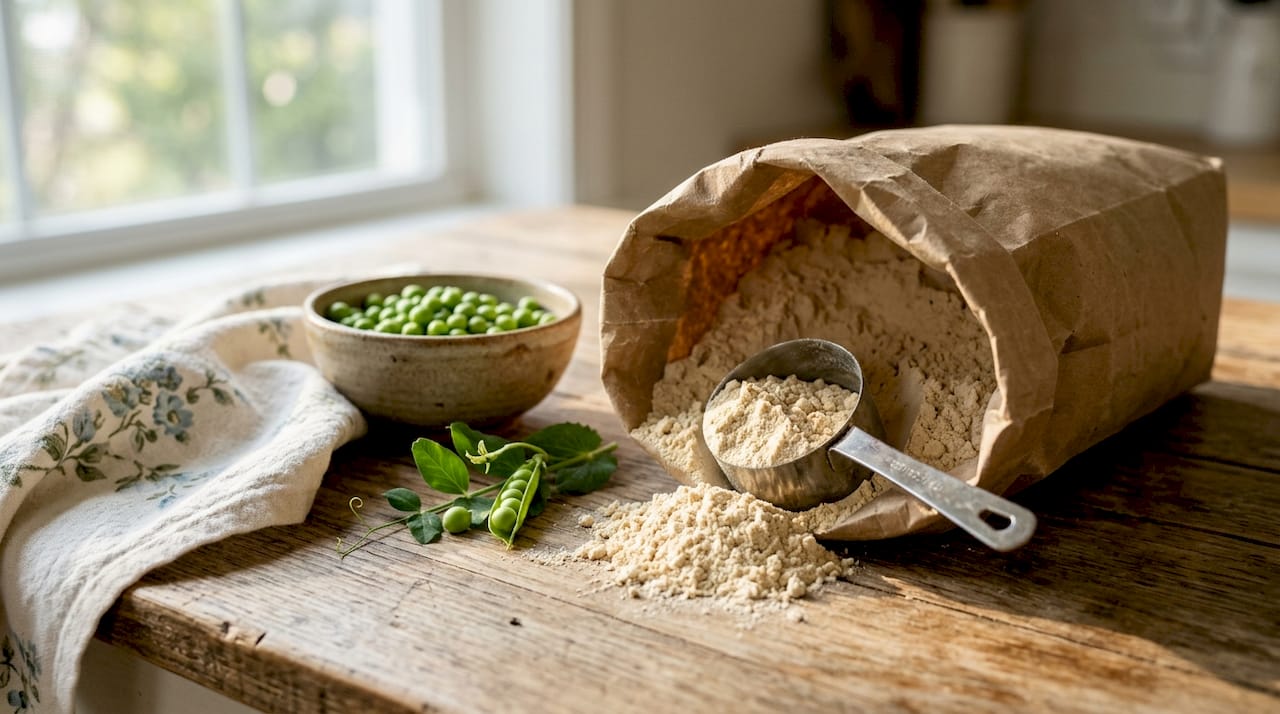
The amino acid profile is strong but not complete. Pea protein is high in leucine, the amino acid most directly linked to triggering muscle protein synthesis, but it runs low in methionine. Pairing it with a methionine-rich source like brown rice protein closes that gap effectively.
One underrated benefit is its iron content. Pea protein provides up to 35% of the recommended daily iron intake per serving. For people on high protein vegan diets who avoid red meat, that micronutrient contribution matters significantly.
- High leucine content supports muscle building
- Mild, neutral taste blends well in shakes and baked goods
- Good digestibility with minimal bloating for most people
- Low in methionine, best paired with rice protein
- Cost typically runs $0.04–$0.06 per gram of protein
Pro Tip: If you find pea protein gritty, try blending it with a frozen banana or oat milk. The texture improves dramatically and the flavor becomes almost indistinguishable from a dairy-based shake.
2. How does soy protein isolate compare as a complete vegan protein?
Soy protein isolate is the only plant-based protein that qualifies as nutritionally complete without blending. It contains 80–90g of protein per 100g, the highest density of any common vegan protein source. That makes it the closest plant-based equivalent to whey protein by volume.
The amino acid profile covers all nine essential amino acids in proportions that support muscle synthesis. Soy protein isolate’s digestibility score is comparable to whey protein by DIAAS standards. That is a meaningful distinction because most plant proteins score lower than animal proteins on digestibility.
A common concern is phytoestrogens. Current evidence shows that phytoestrogens in soy cause no meaningful hormonal effects at typical supplementation levels. The fear is largely a myth that has persisted despite consistent research findings.
“Soy protein isolate provides a complete amino acid profile with a digestibility score that rivals whey, making it the most evidence-backed choice for muscle building among all plant-based protein sources.”
- Complete amino acid profile with all nine essential amino acids
- Highest protein density among common vegan protein types
- DIAAS score comparable to whey protein
- Distinctive beany flavor that some people find off-putting
- Best choice for those prioritizing muscle synthesis with proven efficacy
3. What nutritional strengths and weaknesses does hemp protein offer?
Hemp protein occupies a different category than pea or soy. Its protein concentration sits at 45–55g per 100g, which is significantly lower. That lower density means you need a larger serving to hit the same protein target, which affects both cost and calorie intake.
Where hemp protein stands out is its whole-food nutritional profile. It delivers omega-3 fatty acids, dietary fiber, magnesium, and zinc alongside its protein content. No other common vegan protein supplement matches that combination of nutrients in a single ingredient.
The amino acid profile is technically complete but limited in lysine and leucine. That makes hemp a poor standalone choice for muscle building but an excellent addition to a broader supplement stack or a whole-food smoothie.
- Protein density lower than pea, rice, or soy
- Rich in omega-3 fatty acids and dietary fiber
- Earthy, nutty flavor that works well in smoothies with strong-flavored ingredients
- Limited in lysine and leucine, reducing muscle-building efficacy on its own
- Higher cost per gram of protein, typically $0.06–$0.10
4. Why are pea and rice protein blends popular for vegan supplementation?
Pea and rice protein blends are the most nutritionally intelligent option for people who want a complete amino acid profile without using soy. The logic is straightforward. Pea-rice blends complement each other’s amino acid profiles, creating a complete protein comparable to whey.
Pea protein is low in methionine but high in lysine. Brown rice protein is the opposite: higher in methionine but low in lysine. When combined in the right ratio, typically around 70% pea to 30% rice, the result is a full essential amino acid spectrum.
The digestibility of the blend is also better than either source alone. Pea protein digests quickly, while rice protein digests more slowly, creating a more sustained amino acid release. That sustained release is useful for post-workout recovery and for people who use protein shakes as meal replacements.
| Amino acid | Pea protein | Rice protein | Blend result |
|---|---|---|---|
| Lysine | High | Low | Balanced |
| Methionine | Low | High | Balanced |
| Leucine | High | Moderate | High |
| Overall completeness | Incomplete | Incomplete | Complete |
Pro Tip: When buying a pea-rice blend, check the label for the actual ratio. A blend that is 90% pea and 10% rice does not deliver the same amino acid balance as a 70/30 split. Transparency on ratios is a quality signal.
5. What about brown rice protein as a standalone option?
Brown rice protein is a solid mid-tier option for people who cannot tolerate pea or soy. Its protein density falls in the 75–85g per 100g range, similar to pea protein. It digests well and has a mild, slightly grainy flavor that most people find easy to work with.
The limitation is its amino acid profile. Brown rice protein is low in lysine, which means it cannot support complete muscle protein synthesis on its own. It works best as part of a blend rather than a standalone supplement. For people with soy allergies or sensitivities to legumes, it serves as a reliable base ingredient.
Brown rice protein is also one of the cleaner options on the market. It rarely requires heavy flavoring or additives to mask a strong taste, which means formulas tend to have shorter ingredient lists.
6. What factors should you consider when choosing vegan protein supplements?
Choosing the right plant-based protein supplement requires looking beyond the protein percentage on the front of the label. Several factors determine whether a supplement actually delivers results.
Leucine content is the most important single variable for muscle building. Leucine is the key trigger for muscle protein synthesis, and not all vegan proteins deliver enough per serving. Check the amino acid breakdown on the label, not just total protein grams.
Digestibility matters because protein you cannot absorb does not build muscle. DIAAS scores give you an objective measure of how much of a protein’s amino acids your body actually uses. Soy and pea-rice blends score highest among plant proteins.
Ingredient quality separates functional supplements from expensive flavored powder. The healthiest vegan protein powders have simple ingredient lists with minimal added sugars or artificial additives. A label with 15 ingredients is a red flag. A label with five is a good sign.
Third-party testing is non-negotiable. Plant proteins can accumulate heavy metals from soil, and without independent lab verification, you have no way to know what you are actually consuming. Look for NSF Certified for Sport, Informed Sport, or equivalent certification marks.
Price per gram of protein is the correct unit of comparison, not price per container. A $40 bag with 20 servings at 25g protein each costs $0.08 per gram. A $50 bag with 30 servings at 30g protein each costs $0.056 per gram. The second option is cheaper despite the higher sticker price.
- Check leucine content per serving, not just total protein
- Prioritize DIAAS-scored proteins for muscle-building goals
- Choose clean ingredient supplements with minimal additives
- Verify third-party testing for heavy metals
- Calculate cost per gram of protein before purchasing
- Consider allergies: soy (legume), pea (legume), rice (gluten-free), hemp (nut-adjacent)
Key Takeaways
The most effective plant-based protein supplement matches your amino acid needs, digestibility tolerance, and ingredient standards, not just the highest protein percentage on the label.
| Point | Details |
|---|---|
| Soy leads in completeness | Soy protein isolate is the only single-source vegan protein with a complete amino acid profile and DIAAS comparable to whey. |
| Pea-rice blends are the smart alternative | Combining pea and rice protein creates a complete amino acid profile without soy, ideal for people with legume sensitivities. |
| Leucine drives muscle building | Prioritize leucine content per serving over total protein grams when selecting a supplement for fitness goals. |
| Third-party testing is required | Plant proteins can contain heavy metals from soil; always choose products with independent lab certification. |
| Price per gram is the real cost metric | Calculate cost per gram of protein, not cost per container, to compare supplements accurately. |
What I’ve learned from years of working with vegan protein supplements
Most people overthink the protein type and underthink the ingredient list. The difference between a pea protein and a pea-rice blend matters far less than whether the product you are holding has been third-party tested and uses a clean formula. A complete amino acid profile means nothing if the product is loaded with artificial sweeteners, fillers, or unverified ingredients.
Blends are almost always the better choice for daily use. Single-source proteins like hemp or rice have their place, but if muscle building or recovery is your goal, a pea-rice blend or soy isolate will outperform them consistently. The research on this is not ambiguous.
The marketing around vegan protein is genuinely noisy. Labels use terms like “superfood blend” or “proprietary matrix” to obscure the fact that the product contains very little of the active ingredient you are paying for. Read the amino acid breakdown. Check the serving size. If the leucine content is not listed, that is usually a sign the brand does not want you to do the math.
My practical advice: order samples before committing to a full-size bag. Taste and texture vary enormously between brands and formulas, and the best protein supplement is the one you will actually use consistently. A product that sits in your cabinet because you hate the flavor is not a good investment, regardless of its amino acid score.
— Sacrahaus
Sacrahaus plant-based supplements for your protein goals
Sacrahaus builds its supplement line around the same principles this article covers: clean ingredients, third-party testing, and formulas that do what they claim.

The vegan essentials collection includes iron, magnesium, creatine, and greens, the micronutrients that work alongside protein to support muscle function, energy, and recovery. For people on high protein vegan diets, these are the gaps most commonly missed. Sacrahaus also carries a full range of vegan vitamins and supplements formulated without GMOs and made in the USA. Every product ships free worldwide, and the site’s curated collections make it easy to build a supplement routine that fits your specific health goals.
FAQ
What are the main types of vegan protein supplements?
The main types are pea protein, soy protein isolate, hemp protein, brown rice protein, and pea-rice blends. Each differs in protein density, amino acid completeness, and digestibility.
Is pea or soy protein better for muscle building?
Soy protein isolate edges out pea protein for muscle building because it provides a complete amino acid profile with a DIAAS score comparable to whey. Pea-rice blends are the best alternative for those avoiding soy.
Does soy protein affect hormones?
Current research shows that phytoestrogens in soy produce no meaningful hormonal effects at typical supplementation levels. The concern is not supported by the available evidence.
How do I know if a vegan protein powder is safe?
Look for third-party certification from organizations like NSF Certified for Sport or Informed Sport. Plant proteins can accumulate heavy metals from soil, so independent lab testing is the only reliable safety check.
What is the most cost-effective vegan protein supplement?
Pea and rice proteins cost approximately $0.04–$0.06 per gram of protein, making them the most cost-effective options. Hemp protein costs more per gram and delivers less protein per serving.
Recommended
Continue reading
Top 3 Best Vegan Protein Powder Alternatives 2026
Discover the top 3 best vegan protein powders 2026 to choose the right alternative for your health and fitness goals.
Top 6 Best Vegan Protein Powder Alternatives 2026
Explore the 6 best vegan protein powders 2026 to make an informed choice for your health and fitness needs. Discover the best vegan protein powder alternatives.
Vegan Diet Guide: Nutrition, Meals, and Benefits
Explore the vegan diet's health benefits and essential nutrients. Learn meal prep strategies and how to thrive on plant-based nutrition.